
The Future of AI Property Photography
Where AI is taking property photography next — from faster clean-up and virtual staging to connected property marketing workflows.

Key Takeaways
- AI can already remove clutter and distractions, improve exposure, virtually stage rooms and create motion from still images.
- The next major shift will be connected workflows rather than isolated AI tools.
- Batch processing will make it easier to create a consistent look across an entire property listing.
- AI will help photographers deliver more services without adding the same amount of editing time.
- Human review remains essential to protect accuracy, quality and buyer trust.
AI has moved quickly from novelty to a practical part of property marketing. Tasks that once required specialist editing skills and lengthy turnaround times can now be completed in seconds. A wheelie bin can be removed from a driveway, an untidy room can be cleared, an empty bedroom can be furnished and a flat exterior photograph can be transformed into a stronger lead image.
However, the future of AI property photography is about more than making individual photographs look better. The bigger change will be the way the entire production process connects — from capturing a property to publishing a complete set of marketing assets.
Where AI property photography is today
The current generation of AI tools is already useful across several common property photography tasks.
Photo clean-up, enhancement and staging
AI can remove temporary distractions such as bins, parked cars, loose cables, cleaning products, reflections and personal clutter. Tools such as PhotoClear make this accessible without requiring the user to master traditional editing software: the user identifies what needs to go, and AI rebuilds the area behind it.
AI-assisted enhancement can also balance difficult interior lighting and help create a consistent finish across a gallery. Virtual staging can furnish an empty room so viewers can appreciate its scale and potential use, while dusk conversion and motion tools can adapt still images for campaigns, social media and video. These processes are faster than before, but the best results still begin with a well-composed photograph.
The next step: one connected property media workflow
At present, many AI property tools operate as separate steps. A photograph may be uploaded to one platform for clean-up, another for staging and a third for animation. The next stage will bring those actions together.
Imagine uploading a complete property gallery once. The system identifies each room, flags distractions, corrects exposure, offers a decluttered or staged alternative and prepares the finished images for property portals and social media. Approved photographs could then feed directly into a brochure, showcase, video or virtual tour, all within one connected project.
This is the direction behind the ReHub Studio ecosystem: specialist property media tools that can form part of the same workflow. The benefit is not AI for its own sake. It is less administration, fewer repetitive tasks and a faster route from raw photography to publishable marketing.
Batch editing will improve speed and consistency
Editing one photograph with AI is already straightforward. The more valuable development will be editing an entire listing consistently.
A property gallery should feel like one collection rather than a mixture of styles. Future tools will learn from approval decisions and apply the chosen finish across a full shoot, while treating each image according to its content. Agencies could apply the same preferences across branches, with AI also flagging blurred images, duplicates or missing room types before delivery.
AI will change the photographer's role — not remove it
AI can reduce editing time, but it cannot visit the property, understand the space or decide which viewpoint best communicates the home. It does not replace the ability to work with a homeowner, prepare a room, manage difficult light or compose a photograph that makes the layout easy to understand.
Instead, photographers are likely to spend less time on repetitive retouching and more time on capture, creative direction, quality control and client service. They may also offer clean-up, staging, video, dusk imagery and tours without every extra service adding hours of manual production. Faster workflows can support quicker delivery and healthier margins.
Accuracy, disclosure and trust will become more important
As AI editing becomes more capable, the boundary between improving presentation and changing the property must remain clear.
Removing a temporary bin, loose cable or photographer's reflection is different from hiding damp, removing a permanent structure or making a room appear materially larger. Virtual staging should help a viewer understand the potential of a space, not create a false impression of what is included or physically possible.
The safest workflow keeps a human reviewer in control, preserves the originals and clearly labels images that have been significantly altered or virtually staged. Agents and photographers should have a consistent policy covering what may be removed, what must remain and when disclosure is needed. Trust will become a competitive advantage: the best work will improve presentation while remaining believable.
What should agents and photographers do now?
There is no need to automate everything at once. The most effective starting point is a frequent, clearly defined task — such as removing distractions, decluttering occupied rooms or improving empty-space presentation.
Test the output against your existing process. Consider the time saved, consistency across the gallery and whether the photographs still feel natural. Retain the originals and establish simple review rules. Early adoption is less about chasing every new model than learning where AI adds value, where it needs direction and where it should not be used.
The future is faster, connected and still human
AI property photography is already here. Its next phase will be defined by connected workflows, consistent batch processing and the ability to produce more marketing from every shoot.
The technology will continue to remove slow, repetitive production work. But strong property marketing will still depend on honest presentation, considered photography and human judgement. The advantage will belong to the agents and photographers who combine both: useful automation behind the scenes and credible, high-quality imagery in front of the customer.
Frequently Asked Questions

PhotoClear Editorial
Property Marketing Editorial
Researched, practical guides on AI photo cleanup, virtual decluttering and property marketing for the UK and beyond.
Clean up your property photos with AI
Put this guide into practice. Remove clutter and distractions from your photos in seconds. Try PhotoClear free.
10 free credits on sign-up · No card required
Related Articles
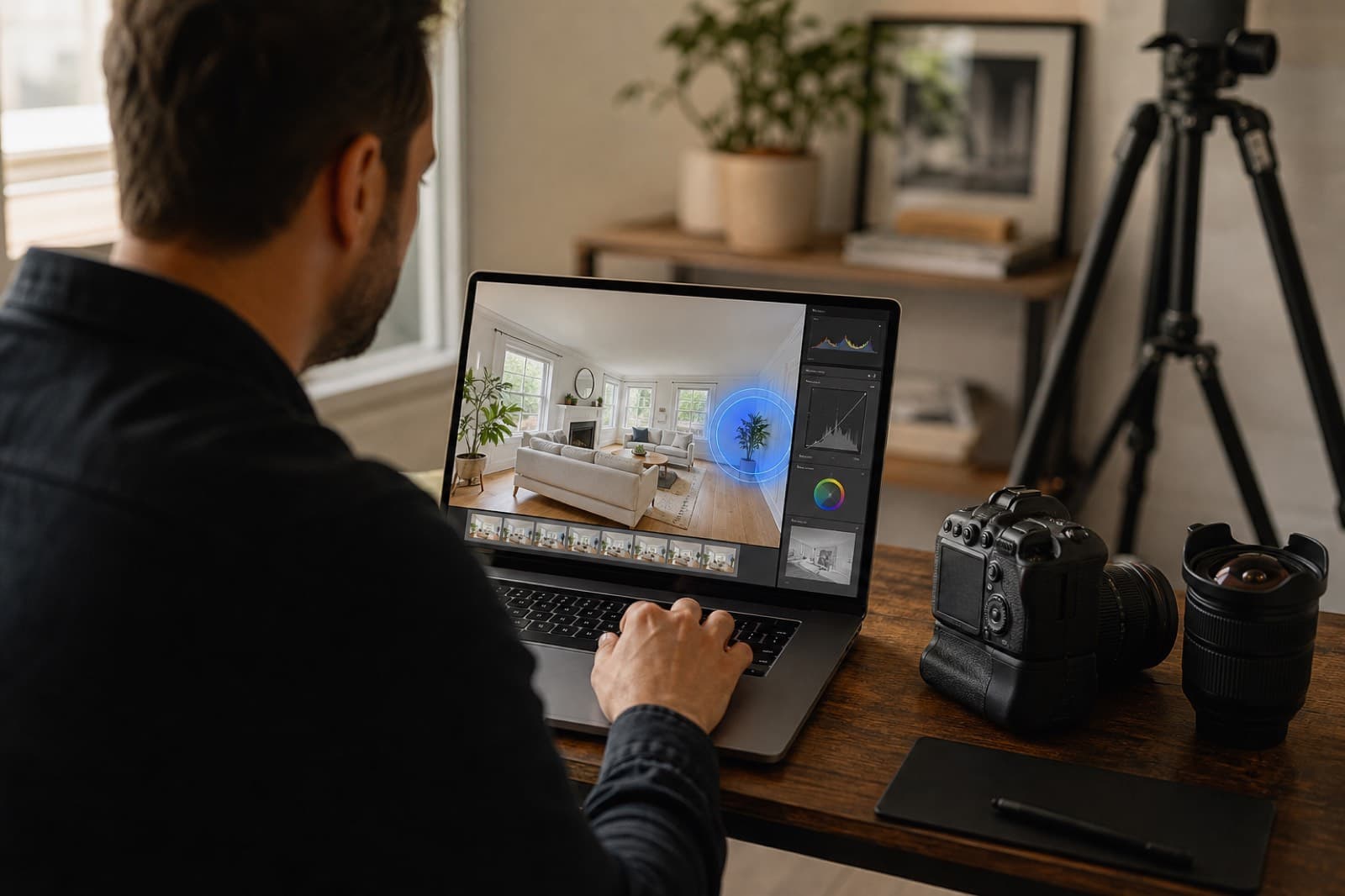
AI Photo Editing For Property Photographers
How property photographers use AI photo editing to cut retouching time, add a revenue stream and deliver premium results.
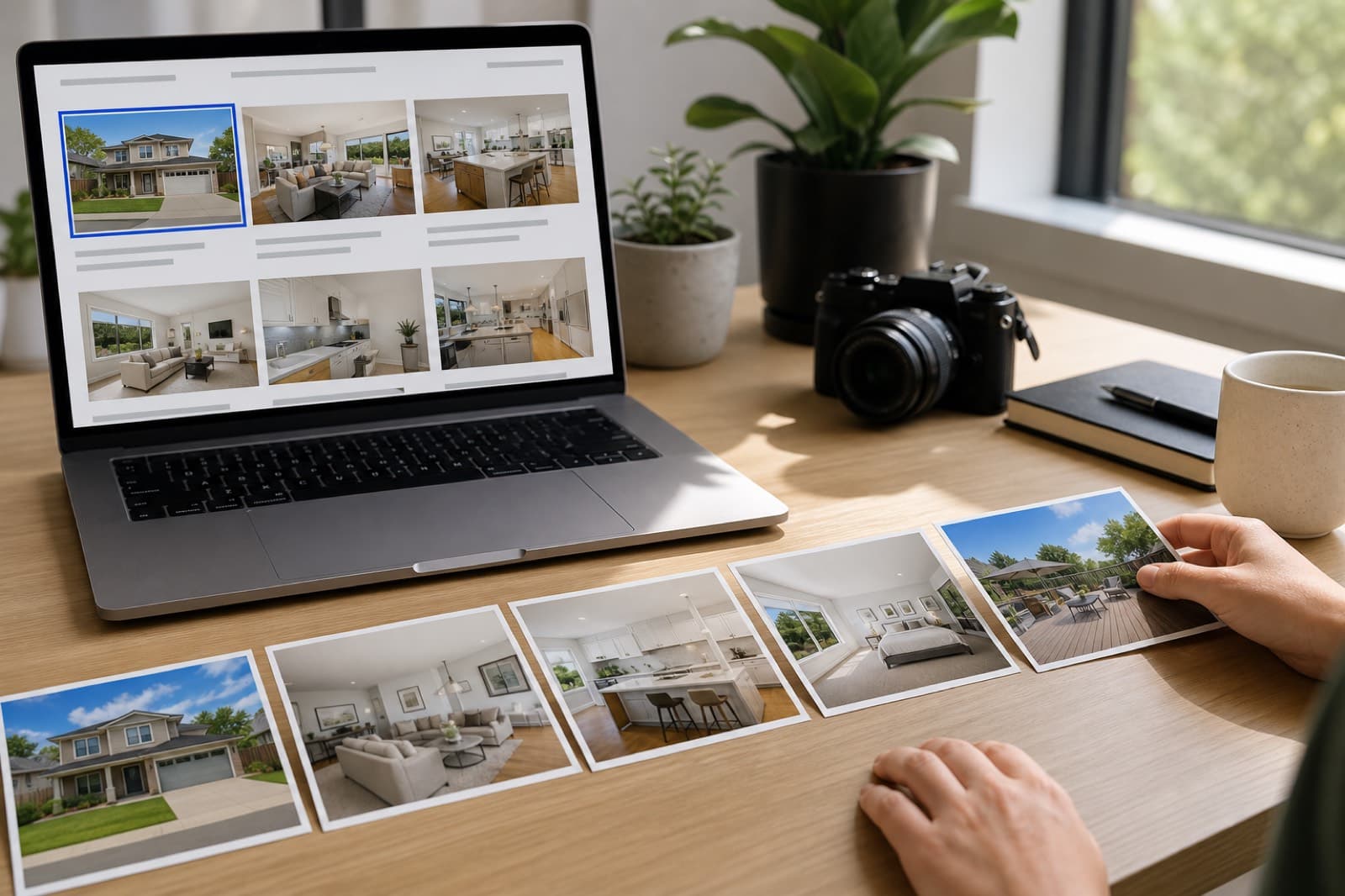
How To Prepare Photos For Rightmove Listings
A practical checklist for preparing photos for Rightmove and Zoopla listings, including cleanup, order and what portals allow.
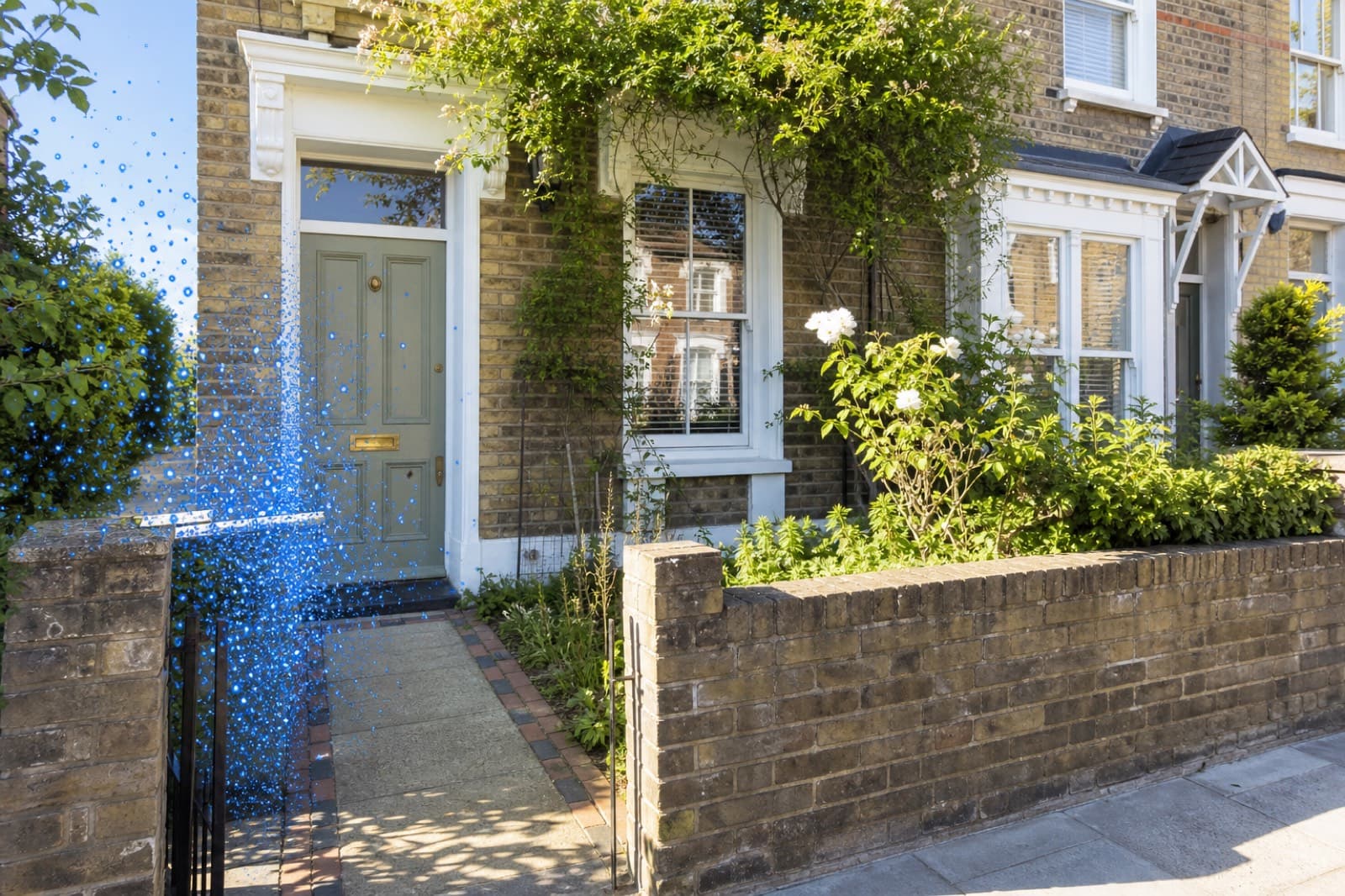
How To Remove Wheelie Bins From Property Photos
How to remove wheelie bins and rubbish from property photos with AI, for a tidy frontage and a stronger lead image.